
Choosing a tile finish is one of the first decisions in any tiling project. The finish changes how a room looks, how safe the floor feels and how often you need to clean it.
Different rooms have different needs. A bathroom floor must grip when wet, while a kitchen splashback must wipe clean easily. This guide explains the difference between matt and gloss tiles, where each one works best in a Luton home and how to choose with confidence.
What Are Matt Tiles?
Matt tiles have a soft, non-reflective surface. Light does not bounce off them, so they look calm and natural.
They are made with a flat glaze, or the porcelain is left unglazed. Matt tiles are good at hiding dust, smudges and water spots, which makes them popular in busy family homes.
What Are Gloss Tiles?
Gloss tiles have a shiny, mirror-like surface. A liquid glass glaze is applied to each tile, and the tile is then fired in a hot kiln to set it.
Gloss tiles reflect light around the room. This makes small or dark rooms feel brighter and bigger. However, they show fingerprints, footprints and water marks more easily.
Matt vs Gloss Tiles: Room-by-Room Guide
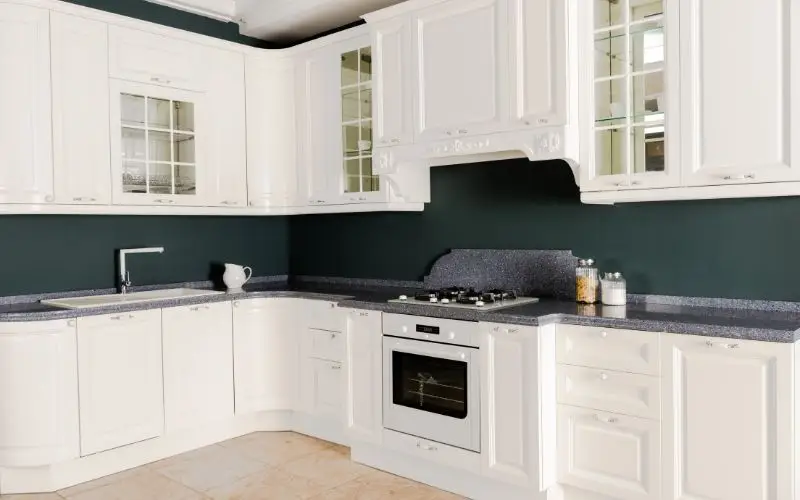
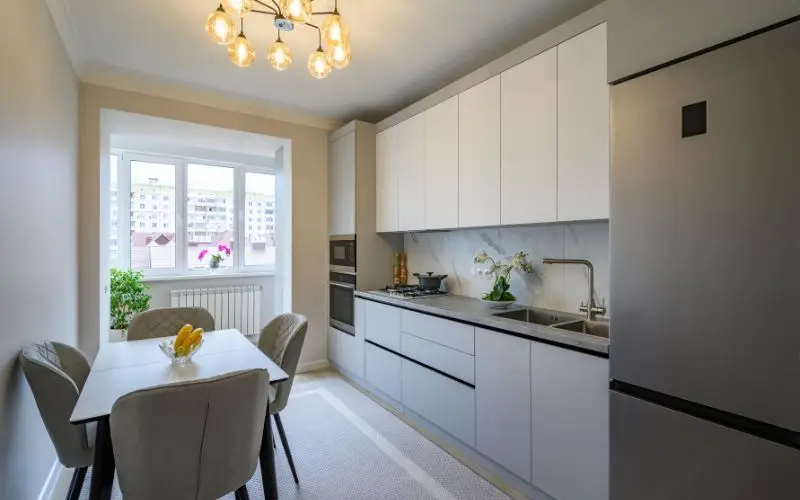
Kitchen Wall and Floor Tiles
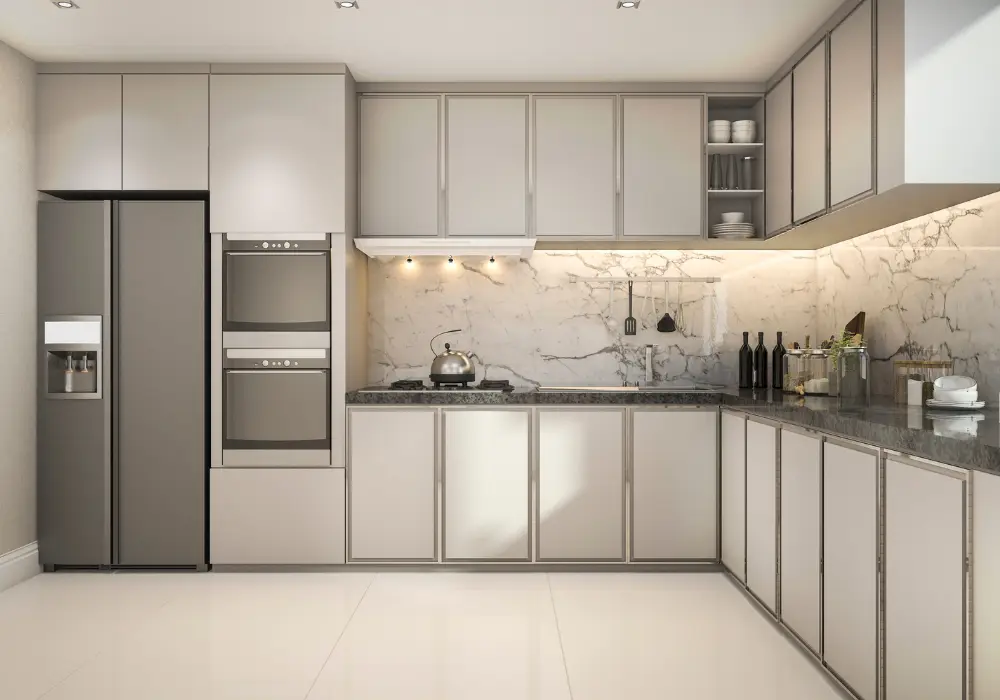
Kitchen walls often get splashes of oil and sauce. Gloss tiles suit splashbacks because the smooth surface does not absorb grease, and a damp cloth wipes it clean in seconds.
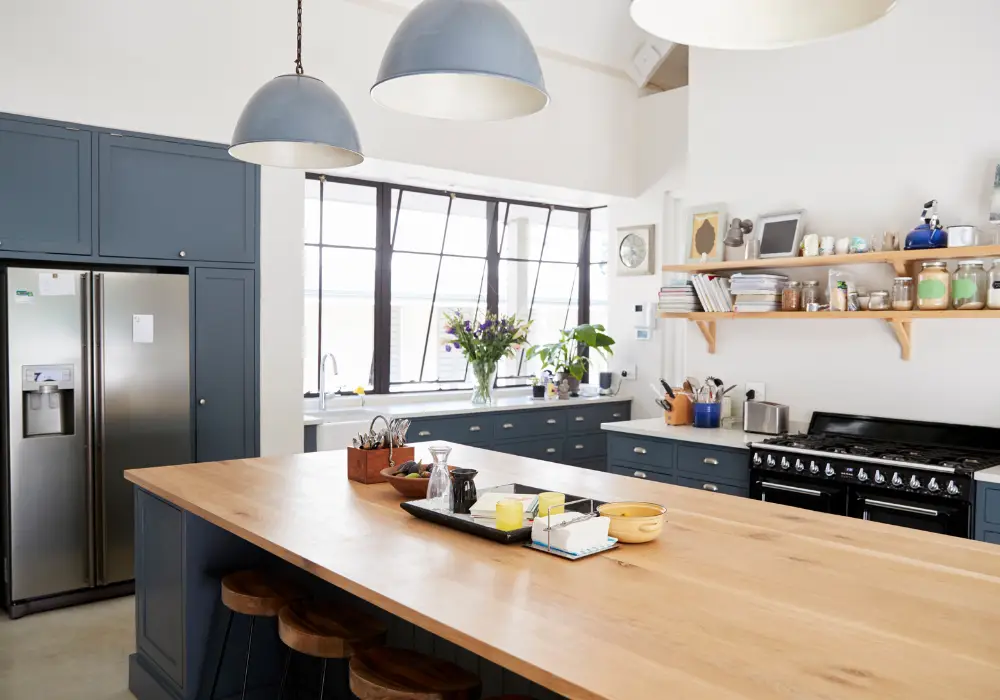
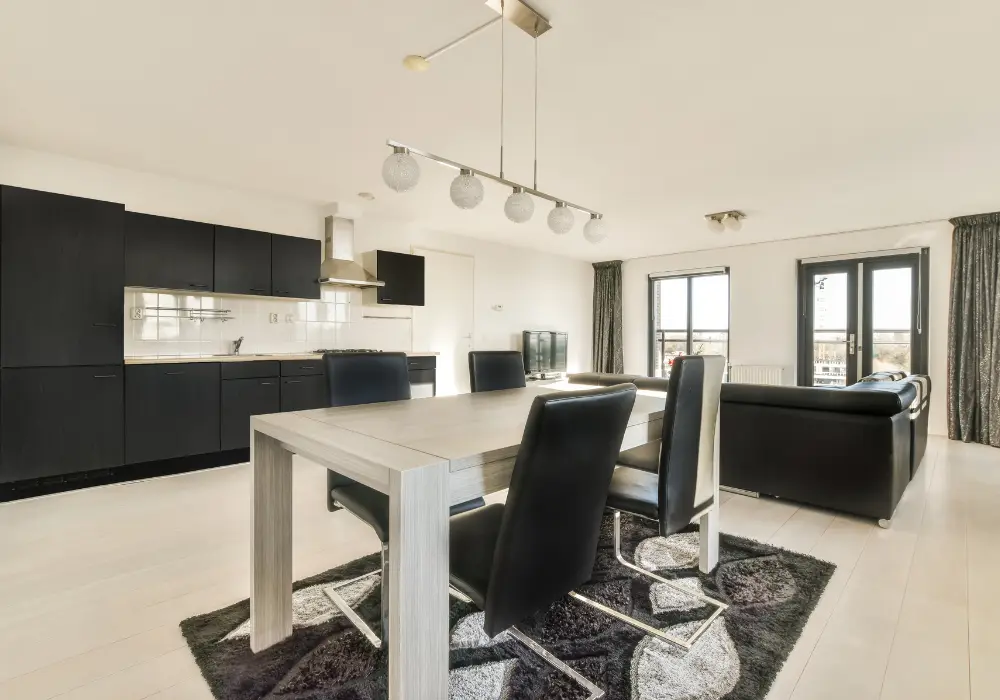
Matt tiles are better for the kitchen floor. Wet floors can be slippery, and matt tiles give your feet more grip. They also hide crumbs better. If you are planning bigger changes, it helps to look at kitchen renovation in Luton options first, so the tile finish suits the layout and lighting.
Bathroom Wall and Floor Tiles
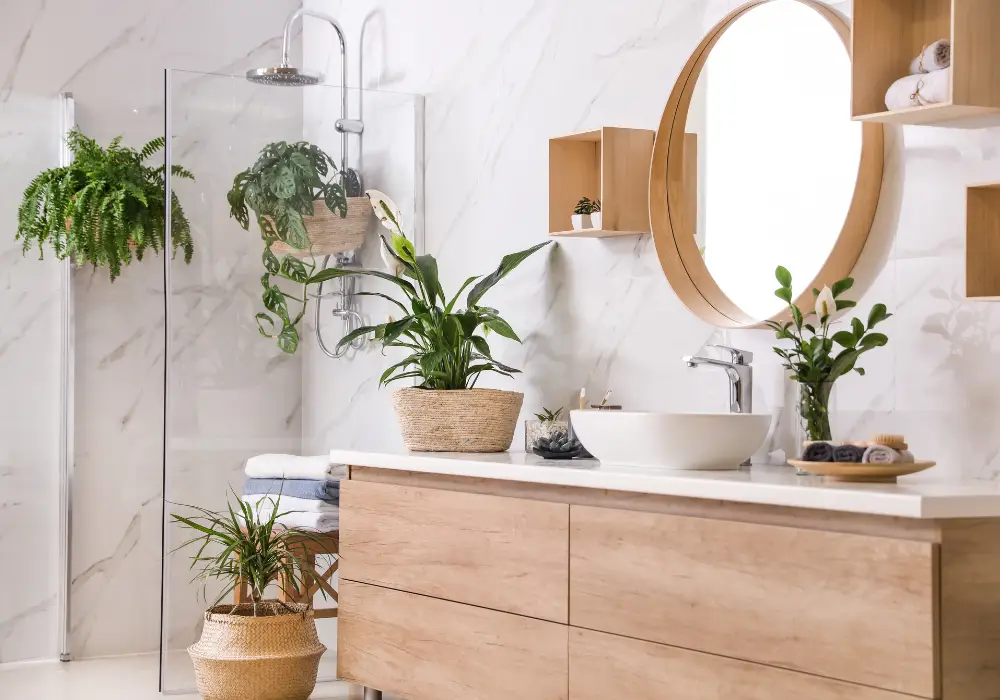
Bathrooms have steam and water every day. Gloss wall tiles work well here because water runs off the smooth surface. They also make a small bathroom feel brighter.
Matt tiles are the safer choice for bathroom floors. A wet gloss floor can be very slippery. In Luton, which is a hard water area, gloss tiles also show limescale marks quickly, so wipe them dry after showering.
Hallways and Living Rooms
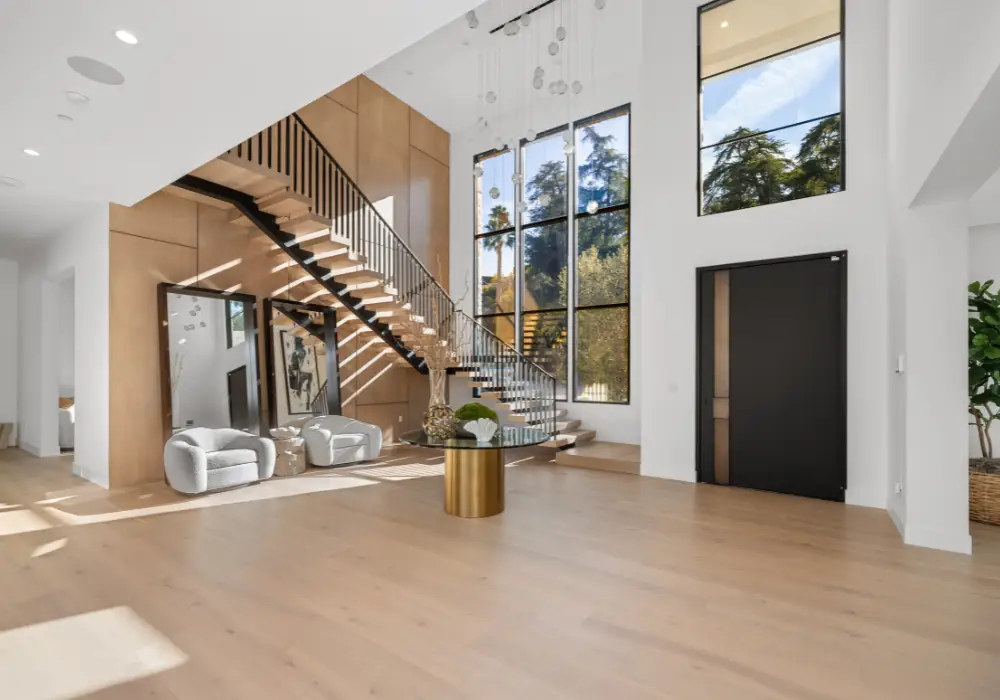
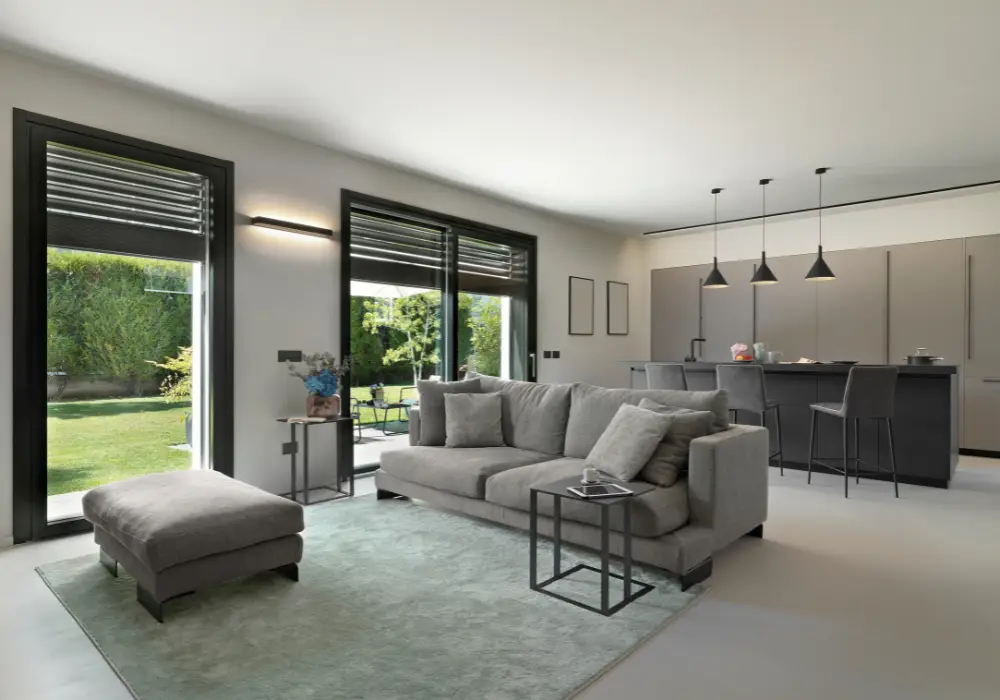
Hallways get a lot of foot traffic, and dirt comes in from outside. Matt tiles are a good choice here because they hide scuffs and shoe marks better than gloss. Large matt tiles also look clean and modern in open-plan living rooms.
Utility Rooms and Boot Rooms
Utility rooms and boot rooms need tough, easy-care floors. Matt tiles hide dried mud and streaks well, and dry dirt can simply be swept away.
Cleaning and Care Guide
Cleaning Gloss Tiles
Gloss tiles wipe clean easily, but you will need to clean them more often. Dust, hair and fingerprints stand out on a shiny surface.
Cleaning Matt Tiles
Matt tiles hide everyday dirt for longer, so they need cleaning less often. Textured matt tiles can trap dirt in the surface, so you may need a soft brush now and then.
Quick care tip: Use warm water and mild soap on both finishes. Avoid harsh or acidic cleaners, as they can damage the glaze and grout. Dry gloss tiles with a cloth to prevent water marks.
How Room Light Affects Your Tile Choice
Dark Rooms
North-facing rooms and dark hallways get little natural light. Gloss tiles reflect light into dark corners, making the room feel brighter and more open.
Bright Rooms
South-facing rooms get strong sunlight, which can cause glare on gloss tiles. Matt tiles soften bright light and add a warm, relaxed feel.
Safety and Anti-Slip Ratings
Safety matters most on floors. Glossy glazed floor tiles can become slippery when wet, while matt tiles usually give better grip.
Tile makers often use R ratings to show slip resistance:
- R9: Suitable for dry indoor areas such as living rooms and dry hallways.
- R10: A good choice for kitchen floors and many bathroom floors.
- R11: Suitable for wet rooms, walk-in showers and outdoor patios.
In the UK, slip resistance is also measured with a pendulum test (PTV). If you are unsure which rating a room needs, check the product details or ask your tile supplier.
How to Choose the Right Finish
Use this simple checklist:
- Check the light: Look at how much sunlight the room gets.
- Choose gloss for walls: It wipes clean easily and reflects light.
- Choose matt for floors: It gives better grip and hides marks.
- Test samples: Place tile samples in the room and look at them in daylight and under your lights.
If you are tiling a whole bathroom, bathroom tiling in Luton is usually done together with waterproofing and fitting, so it is worth planning the finish before you buy.
Frequently Asked Questions
Can I mix matt and gloss tiles in one room?
Yes. Gloss on the walls and matt on the floor is a popular choice. You get bright walls and a safe floor in the same room.
Do matt tiles cost more than gloss tiles?
Not always. Price depends mainly on the material, size and brand, so matt and gloss tiles can cost a similar amount.
Are matt tiles harder to fit on walls?
No. Tilers fit both finishes in the same way, using the same adhesive and tools.
How do I stop water streaks on gloss tiles?
Wipe them with warm, soapy water and dry them straight away with a microfibre cloth.
Are gloss tiles hard-wearing enough for a busy family home?
Glazed porcelain is strong, but gloss shows scratches and wear marks more than matt. For busy floors, matt is usually the better choice.
Summary
Choosing between matt and gloss tiles comes down to the room, the light and safety. Gloss works best on walls where light reflection helps. Matt works best on floors where grip matters.
Planning a new look for your home? Our team interior design offers friendly advice on tile choices and interior design in Luton, so you can pick finishes that suit your space.