Choosing a shower enclosure is one of the biggest decisions in a bathroom project. The right style keeps water inside the shower, fits your space and makes the whole room look better.
Bathrooms in Luton come in all shapes and sizes. Older terrace houses often have narrow bathrooms, while newer homes may have larger rooms or compact en suites. This guide explains the main enclosure styles, glass and frame options, and what to check before you buy.
Main Shower Enclosure Options for Luton Homes
Quadrant Enclosures for Tight Rooms
A quadrant enclosure fits into a 90-degree corner and has a rounded front. The curved shape saves floor space, and the sliding doors do not swing out into the room. This makes quadrants a popular choice for small en suites.
Walk-In Screens for a Modern Look
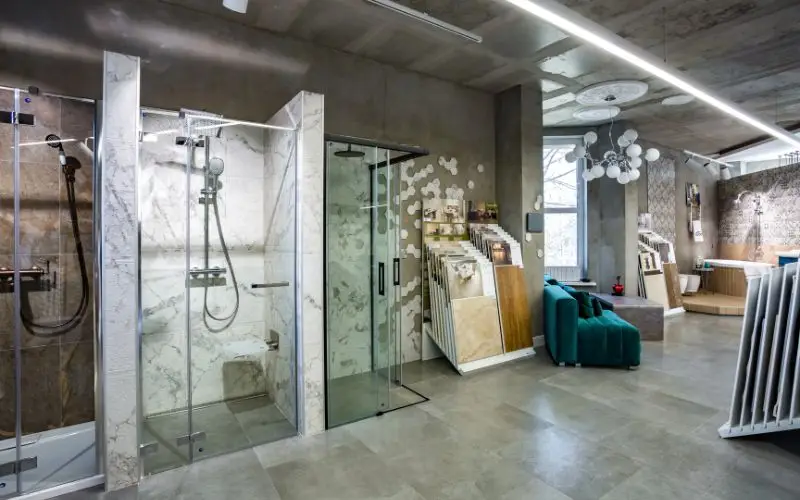
A walk-in screen is a fixed panel of toughened glass with no door. You simply step around the screen to shower. The open design looks clean and modern, and it suits larger bathrooms best. With no hinges or door tracks, cleaning is also simple.
Hinged and Pivot Doors for Easy Entry
Hinged doors swing open on side hinges, while pivot doors turn on pins at the top and bottom. Both give a wide opening, which makes getting in and out easy.
Leave enough clear space in front of the door. It should not hit your sink or toilet when it opens.
Sliding Doors for Wide Alcoves
Sliding doors move along a track and stay within the width of the enclosure. This makes them ideal for wide alcoves and larger shower trays. Many sliding panels can be lifted out, so you can clean behind the glass easily.
Choosing Glass Thickness and Frame Finish
The glass thickness changes how solid the screen feels. The frame finish affects the look of the room.
Glass Thickness
All shower screens should be made from toughened safety glass. Common thicknesses are:
- 6 mm: Lighter and lower in cost. Suitable for standard sliding doors.
- 8 mm: Stronger and firmer. A good choice for everyday family use.
- 10 mm: Heavy and sturdy. Often used for tall walk-in screens that stand without a top bar.
Frame Finishes
The frame holds the glass in place and fixes it to the wall. Popular finishes include:
- Chrome: A classic, bright finish that matches most taps and fittings.
- Matt black: A modern look that works well with grey or white tiles.
- Brushed brass: A warm finish that adds style.
Which Style Suits Your Bathroom Layout?
Small En Suites and Loft Bathrooms
Tight en suites need doors that do not take up space. Quadrant enclosures and bi-fold doors work well because they open without swinging far into the room.
Loft bathrooms often have sloping ceilings. In these rooms, you can order made-to-measure glass cut to fit the slope. Complex layouts like this are easier to plan with professional bathroom design in Luton, because a designer can check the ceiling height and door space before you order.
Alcoves
An alcove has three solid walls, so you only need glass on the front. A single sliding or pivot door is usually enough. This also keeps costs down, as you buy less glass.
Simple Checks Before You Buy
Check these points before ordering a screen:
- Check the walls: Use a spirit level to see if the walls are straight. Uneven walls need an enclosure with wide adjustment.
- Measure the full height: Measure from the top of the tray to the ceiling. Make sure the showerhead sits below the top of the glass.
- Test the door swing: Mark the swing area on the floor with tape. Make sure the door will not hit a radiator or sink.
- Check the shower tray: Place a level on the tray. It must sit flat and drain properly.
- Check the wall type: On plasterboard, find the timber studs first, as heavy glass needs secure fixings.
If you are not sure about wall strength or tray levels, it is worth asking bathroom fitters in Luton to check before you buy.
How to Keep Shower Glass Clean
Water drops leave white limescale marks as they dry. Luton is a hard water area, so regular wiping makes a big difference.
- Use a squeegee: Wipe water off the glass after every shower.
- Choose coated glass: Many screens come with an easy-clean coating.
- Clean the tracks: Wash sliding tracks with soapy water once a month.
- Check the seals: Look at the rubber seals every six months and replace worn ones to stop leaks.
- Use mild cleaners: Harsh acidic cleaners can damage frame finishes and coatings.
Frequently Asked Questions
What is the difference between framed and frameless screens?
Framed screens have a metal edge around the glass. Frameless screens use thicker glass held by small clips or brackets for a more open look.
How do I remove hard water marks from shower glass?
Mix equal parts warm water and white vinegar in a spray bottle. Spray the glass, leave it for about ten minutes, then wipe and rinse with clean water. Check the manufacturer’s care advice first, as vinegar can affect some coatings and frames.
Can I fit a walk-in screen in a small bathroom?
Yes, but the screen needs to be wide enough to stop water splashing out. Many suppliers suggest around 800 mm or more, so check the product guidance.
Are curved shower doors hard to clean along the bottom?
Not usually. Many sliding doors have wheels that can be lifted or released, so the bottom track is easy to clean.
Which shower door style saves the most space?
Sliding doors and bi-fold doors save the most space because they do not swing into the room.
Summary
The best shower enclosure depends on your room size, wall shape and door space. Quadrants and sliding doors suit small rooms, while walk-in screens suit larger bathrooms. Check the measurements carefully and choose a finish that suits your style.
Planning a new bathroom? Our team interior design experts can offer friendly advice on bathroom renovation in Luton, so you can choose a shower style that fits your space.