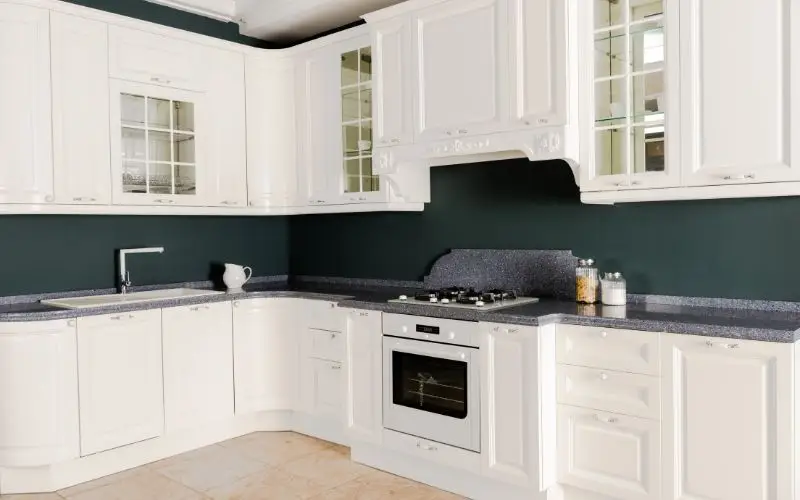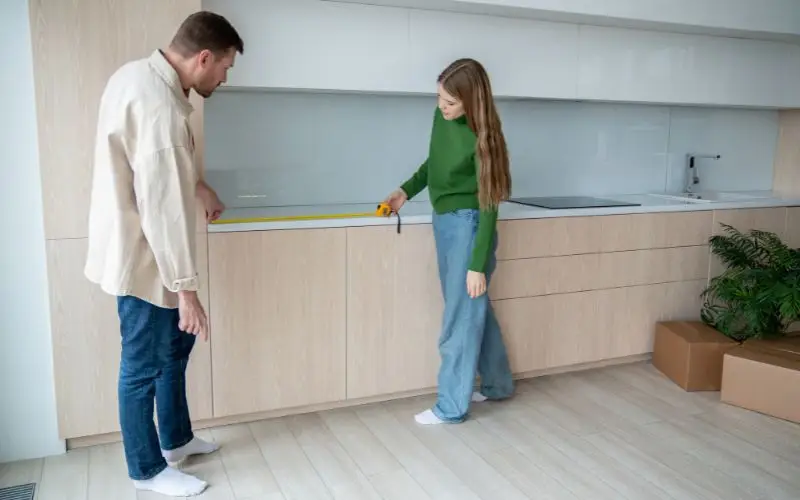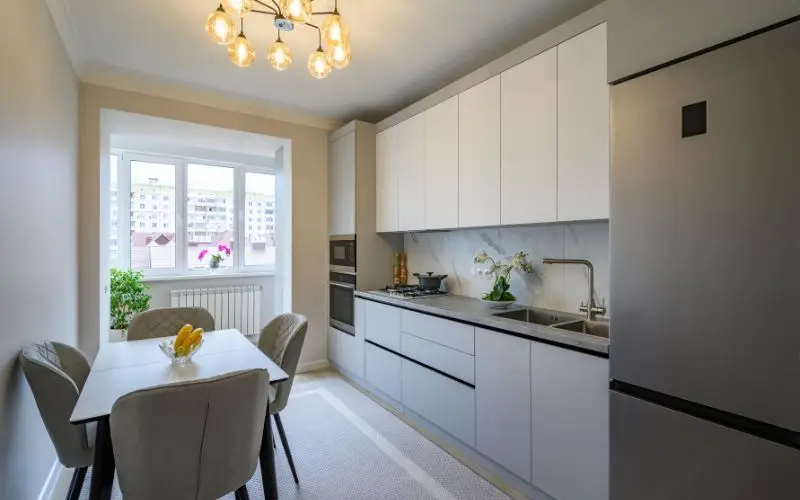
Good kitchen lighting makes cooking easier, improves visibility and creates a welcoming atmosphere. Whether you have a compact kitchen or a spacious home in Luton, the right combination of LED strips, ceiling lights and pendants can make your kitchen more practical and stylish. Explore these kitchen lighting ideas to make the most of your space.
This guide explains how to plan kitchen lighting in layers, where to place each light and what to check before any wiring starts. Many Luton homes have compact kitchens, especially older terrace houses, so a clear plan helps you get the most from the space.
The Three Layers of Kitchen Lighting
One ceiling light is rarely enough. Using three layers of light helps the kitchen work at any time of day.
Task Lighting for Food Prep
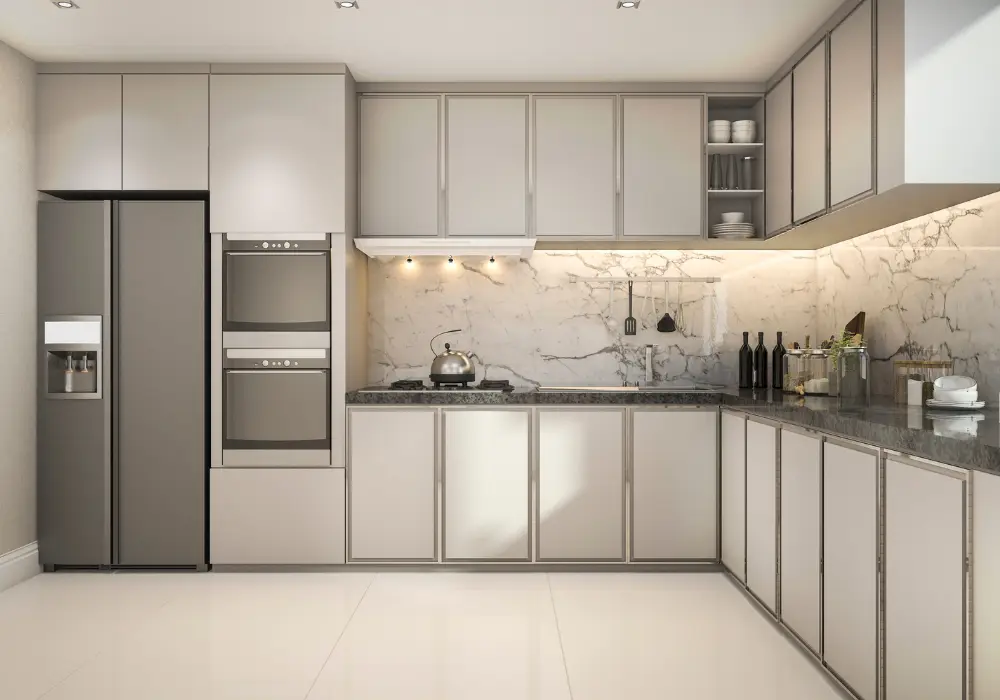
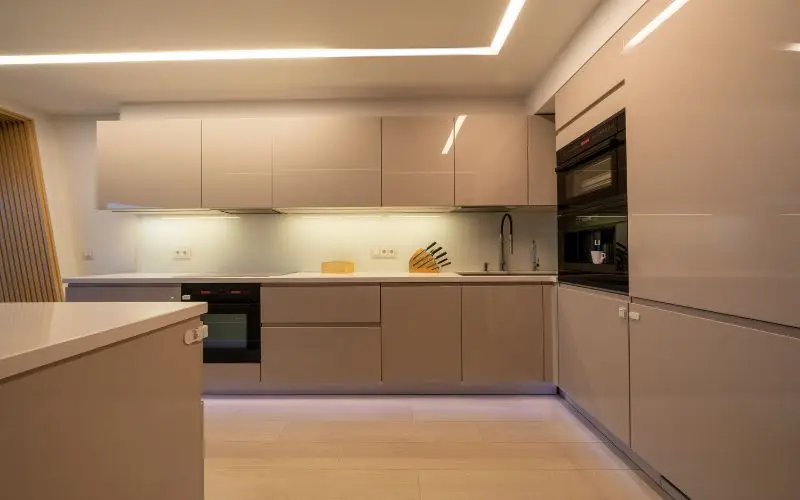
Task lighting shines where you work, such as the worktops, hob and sink. Slim LED strips fitted under wall cabinets are a popular choice. They light your chopping boards directly and stop your own shadow falling across the worktop.
Ambient Lighting for the Whole Room
Ambient light fills the room with soft, even light, which is especially useful on dull winter days. Ceiling downlights are a common choice. Spread them evenly to avoid dark patches on the floor. Planning where each layer should go is easier with professional kitchen design in Luton, because a designer can match the lighting to your cabinets, worktops and layout.
Feature Lighting for Islands and Dining Areas
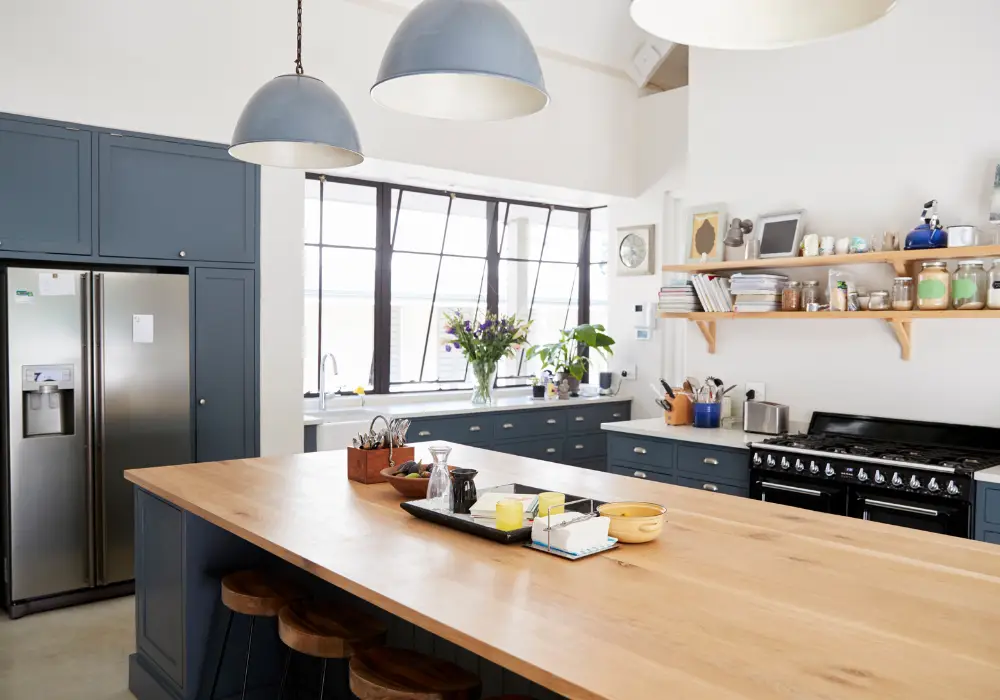
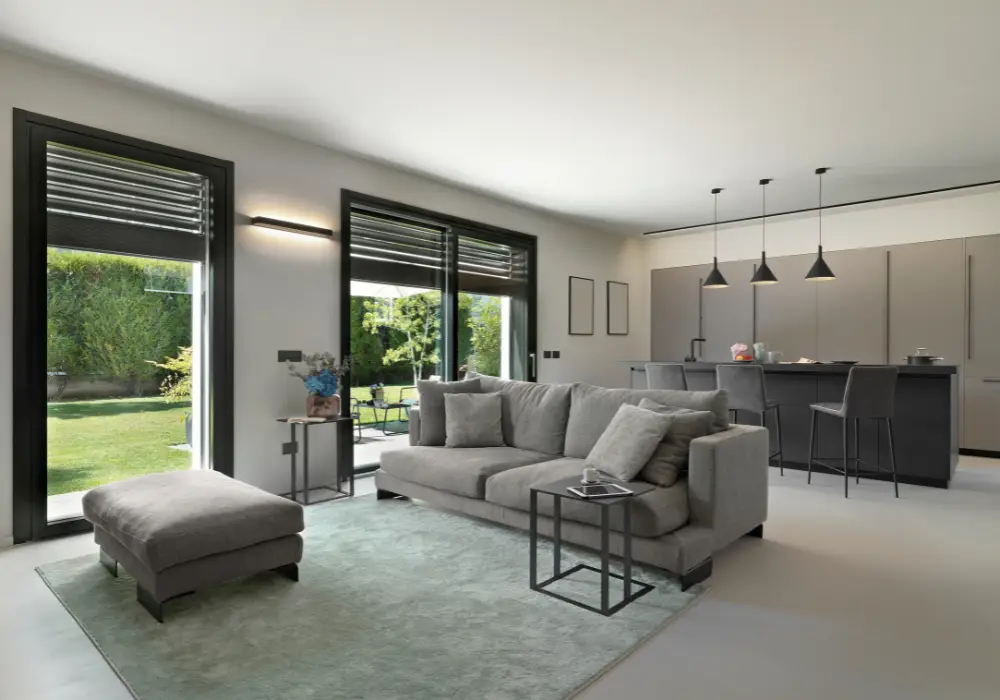
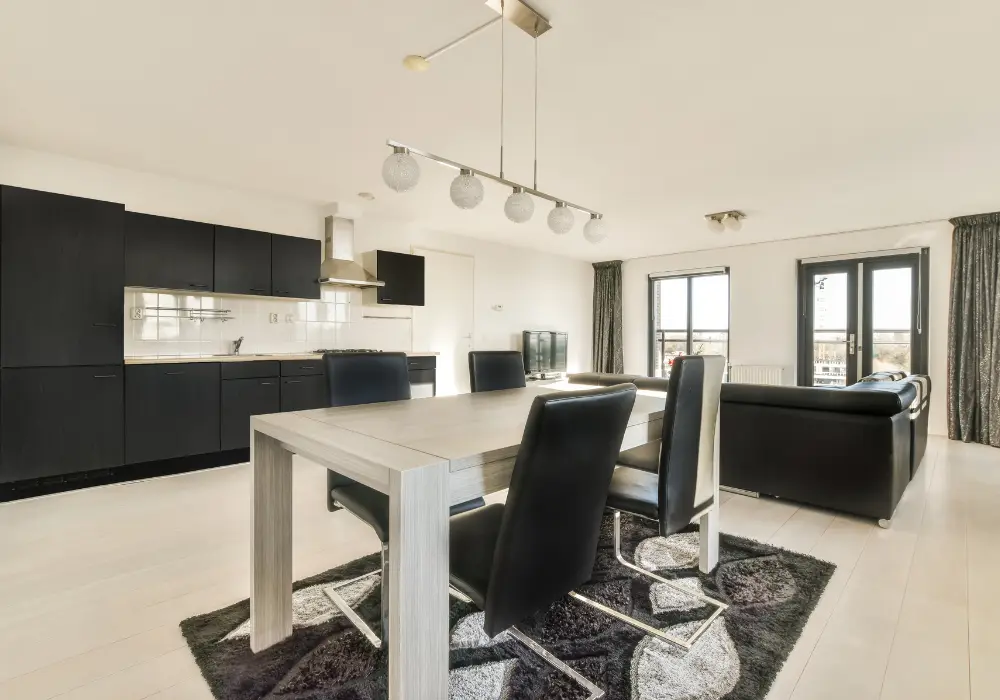
Pendant lights hung over an island or dining table add style as well as light. Two or three matching pendants in a neat row work well, and they draw the eye to the centre of the room.
Where to Place Your Lights
Under-Cabinet Lights
Fit LED strips towards the front edge of the wall cabinets. This lights the worktop directly. If they sit too far back, the light can bounce off the wall and into your eyes.
Island Pendant Height
A common guide is to hang pendants so the bottom of the lamp sits about 75 cm to 90 cm above the island worktop. This keeps the light out of your eyes and lets you see people sitting opposite. Adjust to suit your ceiling height and the people using the kitchen.
Downlight Layout
Avoid placing a downlight directly above where you stand to work, because your body will cast a shadow on the worktop. Placing downlights a little in front of the worktop helps light your hands and the food. As a rough guide, many kitchens space downlights about 1 m to 1.5 m apart, but the right spacing depends on ceiling height and the beam angle of the lights.
Choosing Light Colour and Controls
Light colour is measured in Kelvin (K).
- Cool white (around 4000K): Bright and clean, like daylight. It suits worktops and the sink, where you need to see food clearly.
- Warm white (around 2700K): Soft and yellowish. It suits dining tables and seating areas, and makes evenings feel cosy.
Dimmer switches let you change the mood with one touch. Make sure any dimmer is suitable for the type of LED lights you choose.
Simple Checks Before Wiring Starts
Check these points before you order lights:
- Ceiling height: In rooms with low ceilings, choose flat, low-profile downlights.
- Switch positions: Put main switches near the door. Place dimmers where you will use them, such as near the dining table.
- Natural light: Notice where daylight comes in, and add extra lights to dark corners.
- Cabinet doors: Make sure pendants and fittings do not clash with wall cabinet doors when they open.
How to Avoid Overcrowding the Ceiling
It is easy to add too many lights. Too many spots can look cluttered and create glare.
- Space the main downlights evenly, and keep them in neat lines.
- Use one long LED strip under cabinets instead of several small puck lights.
- Match metal finishes. If your taps are matt black, black pendant fittings can tie the look together.
When Should You Call an Electrician?
Changing a lampshade or a bulb is an easy job. Adding new ceiling lights or wiring needs a qualified professional.
Electrical work in kitchens is covered by UK Building Regulations and the wiring standard BS 7671. A registered electrician can test the circuit, choose suitable fittings and make sure lights near the sink are protected from splashes.
If you are updating the whole room, it helps to speak to kitchen fitters in Luton early. They can coordinate the lighting, units and worktops, so electrical work happens at the right stage.
How to Clean Kitchen Light Fittings
Steam and cooking grease build up on light covers over time. Luton is in a hard water area, so wipe fittings regularly to prevent limescale and grease marks.
- Turn off the power: Switch the lights off at the fuse box before cleaning.
- Wipe glass shades: Use a dry microfibre cloth once a week.
- Clean grease marks: Wipe with warm water and mild soap, then dry.
- Dust the bulbs: Wipe them when they are cold.
Frequently Asked Questions
How far apart should kitchen downlights be?
A rough guide is 1 m to 1.5 m apart. The best spacing depends on your ceiling height, the beam angle of the lights and the size of the room.
How many pendants should go over a kitchen island?
Two pendants usually suit a small island. Three often suit a longer one. Choose the number that looks balanced for your island length.
Are LED lights good for food prep areas?
Yes. LEDs use little power, stay cool and last a long time. Choose a good colour quality so food looks natural.
Can I put downlights above a kitchen sink?
Yes, but choose fittings with a suitable IP rating to protect against steam and splashes. Ask your electrician which rating is right for your layout.
What is the best light for eating dinner?
Warm white light, dimmed to a comfortable level, usually creates a cosy feel for family meals.
Summary
Good kitchen lighting uses task, ambient and feature lights together. Place them carefully, choose the right colour and use dimmers for flexibility. This makes your kitchen practical for cooking and relaxing.
Planning a new kitchen? HM Interiors team can offer friendly advice on kitchen renovation in Luton, so you can create a bright, well-planned space that suits your home.