Choosing new bathroom storage is a big decision. You want a room that is neat, practical and easy to clean. Many UK homeowners are now choosing between Wall Hung vs Floor Standing Bathroom Furniture. Both keep your items safe and tidy, but they suit rooms in different ways.
The style you choose changes how the room feels, how much you can store and how easy it is to clean the floor. Bathrooms in Luton range from narrow terrace house bathrooms to larger family bathrooms in newer homes. This guide compares both styles so you can choose the right one for your space.
What is Wall-Hung Bathroom Furniture?
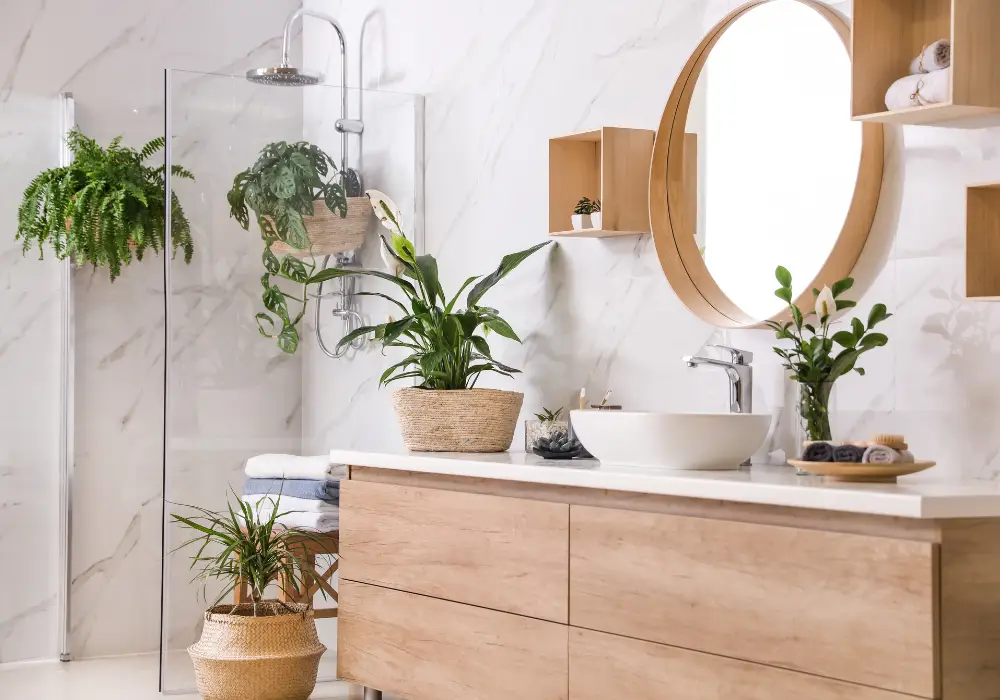
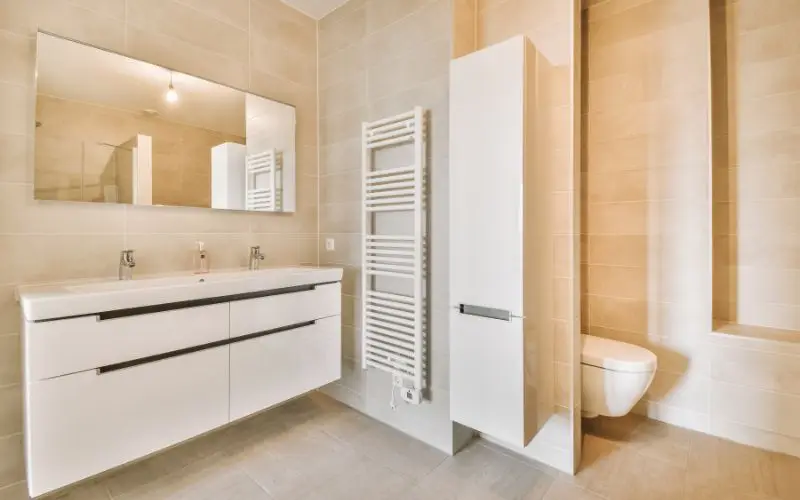
Wall-hung furniture is fixed to the wall and sits off the floor, so you can see the floor tiles underneath. This gives the room a light, open look.
Many people choose wall-hung units for a modern style. They work well in small bathrooms because the visible floor makes the room feel bigger and brighter.
What is Floor-Standing Bathroom Furniture?
Floor-standing furniture rests on the floor, usually on a solid base, legs or feet. It has a classic look and offers plenty of space for larger items.
This style suits traditional homes, including many older Luton terrace houses. It also gives a feeling of solid, dependable storage in a family bathroom.
Wall Hung vs Floor Standing Furniture: Key Differences
Floor Space and Room Feel
With wall-hung units, you can see the floor tiles all the way along the wall. This unbroken floor view makes a small room look larger than it is. It also makes the room easier to move around in.
Floor-standing units cover part of the floor, but they can hide pipework and the sink trap inside the cabinet. Wall-hung units may need the pipes to be hidden in the wall, or a slimline trap, to keep a neat look.
Storage Space and Drawer Depth
Floor-standing cabinets usually offer more storage, because they use the full height down to the floor. They can easily hold large cleaning bottles and thick towels.
Wall-hung units often have less storage underneath, because of the gap below the unit. Drawer dividers can help keep small items tidy.
Fitting and Wall Strength
Wall-hung units need very strong wall support. Solid brick walls can carry heavy vanity units well. Plasterboard stud walls need extra timber supports inside the wall to hold the weight.
Floor-standing units carry most of their weight on the floor. They are still fixed to the wall for safety, but this makes them simpler to fit on walls that are not very strong.
Which Style Suits Which Room?
Small En Suites and Cloakrooms
Compact rooms need as much open floor as possible. A wall-hung unit keeps the floor visible, which stops the room feeling cramped around the toilet or shower. Planning where to place the unit, pipes and door swing is easier with professional bathroom design in Luton, especially in tight spaces.
Large Family Bathrooms
Family bathrooms are busy every day. A floor-standing unit with several drawers gives everyone room for their own items, all in one place.
Cleaning and Daily Care
Cleaning Under Wall-Hung Units
Floors are quick to clean with wall-hung units. You can sweep or mop under the unit in one stroke, with no legs or corners to collect dust.
Cleaning Around Floor-Standing Units
Take more care around the bottom edge of floor-standing units. Water can collect around the base or legs. Wipe the bottom edges dry to stop moisture getting into the cabinet over time.
Quick care tip: Wipe cabinet doors with a damp microfibre cloth and mild soap. Dry any wood edges straight away so steam does not damage the finish. Luton is in a hard water area, so wiping taps and surfaces dry also helps stop limescale marks.
Simple Checks Before You Buy
Check these points before ordering new furniture:
- Check your wall type: Tap the wall. A solid sound usually means brick. A hollow sound usually means plasterboard, which needs extra support for wall-hung units.
- Check your pipework: Look at where the waste and water pipes come into the room. This affects which style will look neat and fit properly.
- Check door and drawer space: Make sure drawers open fully and do not hit the door or radiator.
- Check the floor level: Use a spirit level on the floor. If it is uneven, floor-standing units may need adjustable feet.
If you are not sure about your wall type or pipe positions, it is worth asking bathroom fitters in Luton to check before you buy.
Frequently Asked Questions
Can a heavy wall-hung vanity be fitted to a plasterboard wall?
Yes, but you must first add timber supports inside the wall. Horizontal timber supports, often called noggins, are fitted between the studs to carry the weight safely.
Which is cheaper, wall-hung or floor-standing furniture?
It depends on the product, but floor-standing units can cost less to fit, as they need less wall preparation.
What is the usual height for a wall-hung vanity unit?
Many are fitted with the top around 800 mm to 850 mm from the floor. You can adjust this to suit the height of the people using the bathroom.
Can wall-hung units come off the wall over time?
Not if they are fitted properly. Good fixings use strong brackets and bolts into solid timber or masonry. Always follow the manufacturer’s weight limits and fitting instructions.
Which lasts longer in a damp room?
Either style can last well if it is made from moisture-resistant materials. Good ventilation, such as an extractor fan, matters more than the style.
Summary
The choice between wall-hung and floor-standing furniture depends on your room size, wall strength and taste. Wall-hung units save visible floor space and are easier to clean around. Floor-standing units usually offer more storage and can be simpler to fit.
Planning a new look for your bathroom? Our team at HM Interiors can offer friendly advice on bathroom renovation in Luton, so you can choose furniture that suits your space and your home.